
Filari
Omnichannel Retail E-commerce Development

Connect Your Physical Store and Online Business.

Your customers should be able to discover a product online, visit a store, choose pickup or delivery, and get help without feeling like they have entered a different business each time. Filari designs retail e-commerce experiences that bring your storefront, store teams and digital journeys closer together.

In-store. Online. One brand.

See What Can Connect
Talk to Us on WhatsApp

Starting with the systems and store workflow you already use.

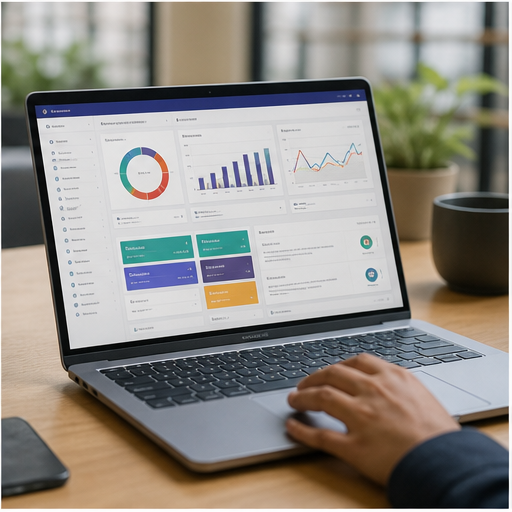
store.yourbrand.in

Illustrative · demo data

Retail Overview

Online orders

214

this week

For pickup

38

across 6 stores

For delivery

176

warehouse dispatch

Store pages

6

with contact routes

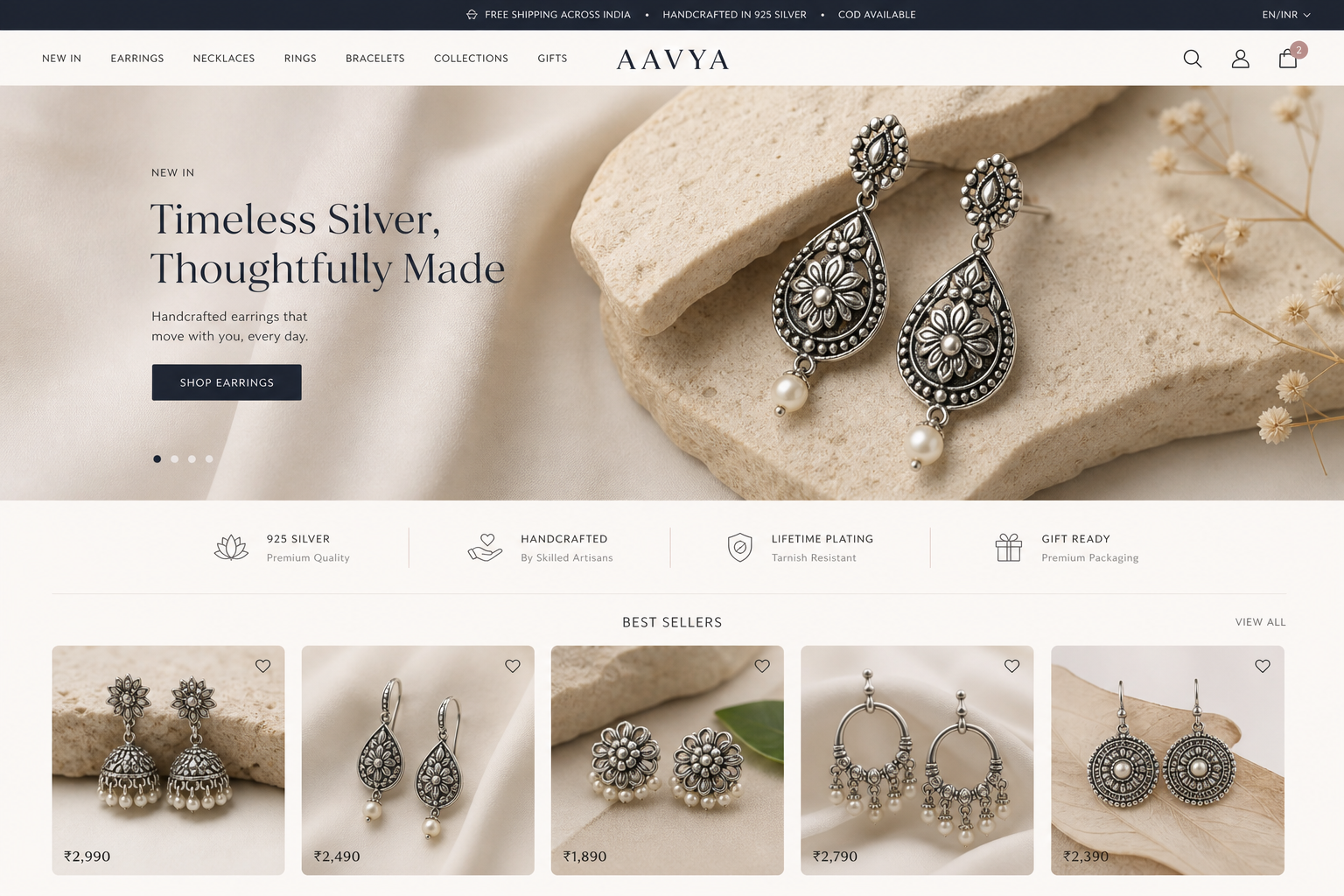
Aavya jewellery e-commerce storefront screenshot
Storefront preview • Product discovery to checkout

One connected system

Shop Website Pickup Delivery Store POS Inventory Support

One brand. More ways to buy.

Make it easy to shop the way your customer prefers.

Shop
Website
Pickup
Delivery

Some customers want to touch the product before deciding. Some want to order at night and collect it near home. Some need delivery, a quick exchange or a simple answer on WhatsApp. Your website should support these moments—and give your store team the information to fulfil them well.

Customer needExperience we can design
“Is this available near me?”Store finder, store details and availability messaging based on what your systems can support.
“Can I order now and collect it?”Buy online, pick up in store journey with pickup instructions and ready-for-pickup updates.
“Can it come to my address?”Delivery choices, clear dispatch expectations and order updates.
“Can I visit or speak to someone?”Store contact paths, WhatsApp/help touchpoints and product guidance.

Customers see one brand. Your operations decide what happens behind the scenes; we help make that experience clear.

From discovery to doorstep

A connected journey, not a disconnected checkout.

We map the journey before choosing features. That means each step has a clear customer message and a workable handoff for your team.

Discover A customer finds your product through search, social, WhatsApp, a local store page or your website. 01
Check the right option They can understand product details, delivery choices, pickup availability or how to reach the nearest store. 02
Buy with confidence A focused product and checkout experience keeps pricing, offers and fulfilment expectations easy to understand. 03
Pick up or receive The customer gets the right update at the right time. Store staff can prepare the order; delivery orders follow the chosen fulfilment flow. 04
Come back Helpful support, clear policies and relevant post-purchase communication give customers a reason to return. 05
Store locator Product & catalogue UX Pickup workflows Delivery communications Order-status pages Returns/exchange journeys WhatsApp and support pathways

Built for customers and store teams

Good retail technology respects the people doing the work.

Customer leaving a store with shopping bags

For customers

More choice, less uncertainty.

Give customers a considered online store, clear location information, pickup or delivery choices where available, and support that feels connected to the purchase they made.

Browse a well-structured catalogue
Find the right store or contact route
See practical fulfilment options
Receive useful updates, not confusion
Store team member checking an order on a tablet

For store teams

A clearer next step for every order.

We design the staff-facing handoffs around your actual process: who receives an online order, who picks it, how a customer is notified, and what happens if inventory or fulfilment changes.

Order and pickup status designed around roles
Clear pick, pack and handover instructions
Store-level information where integrations permit it
Fewer manual workarounds between website and counter
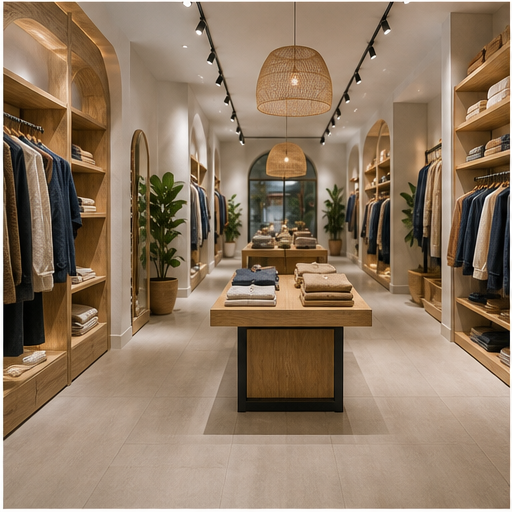
Two store locations of the same brand

For the business

A retail presence that can grow thoughtfully.

Start with the customer journey you need now, then add connected operational capabilities when the data, systems and store process are ready.

A consistent catalogue and promotion experience
Local store pages that can support discovery
Integrations planned around genuine business needs
A scalable base for new locations, channels or campaigns

Everything works together

Choose the level of connection that fits your retail operation.

There is no universal “omnichannel” setup. The right solution depends on your store count, catalogue, POS or inventory system, fulfilment method and who manages orders. We start with a feasibility review, then recommend a practical path.

POS
Inventory
E-commerce
CRM

Commerce Operations · the exact connection depends on your current systems.

Option 1 — Storefront and local discovery

For a physical retailer that needs a modern online presence first.

E-commerce website and product catalogue
Store locator, store pages and contact paths
Search-friendly product information and merchant listing markup where appropriate
Enquiry, WhatsApp or assisted-order routes

Option 2 — Online ordering with pickup

For a business ready to let customers order before visiting.

Product, cart and checkout design
Pickup location and instruction experience
Ready-for-pickup notifications and status design
Store-team order handoff workflow

Option 3 — Connected retail operations

For multi-store or growing retail operations that need a considered integration plan.

POS, inventory, ERP, OMS or CRM integration assessment
Shared or synchronised inventory flows where the selected systems support them
Store fulfilment, order routing and transfer logic where feasible
Customer, loyalty and promotional journeys where data permissions and platforms allow

Option 4 — Custom omnichannel commerce

For a distinctive retail model, special workflows or an existing technology landscape.

Discovery workshops and journey mapping
UX/UI design for customer and staff surfaces
Custom web application or platform development
API, webhook, import/export and reporting requirements

Important scope note

“Live stock”, automatic routing, cross-channel returns and customer-data sync are not default website features. They depend on the chosen POS, ERP, OMS, e-commerce platform, available APIs, data quality and your operating policy. We validate this before committing to the build.

A practical way to get started

Start with clarity. Connect in the right order.

1 Understand your retail reality

We review store locations, products, inventory ownership, current POS/ERP/OMS, online channels, fulfilment process and team roles.

2 Map the priority journey

Together, we decide what must work first: a better online store, local discovery, pickup, delivery, store fulfilment or a specific integration.

3 Design the customer and staff experience

We turn that journey into page structure, interfaces, notifications, operational handoffs and a technology plan.

4 Build, connect and improve

We develop the approved experience and test the handoffs that matter. Once it is live, you have a sensible base for the next retail capability.

Let’s make your online and in-store experience feel like one brand.

Tell us how you sell today, which systems you use and what customers should be able to do next. We will help define the right first build.

Bring your current website, POS or process notes—an early conversation is enough to begin.

Frequently asked questions

Before you connect anything.

If your question is not here, ask us directly — you will get a straight answer, not a proposal.

01Can you connect our existing POS or inventory system?

Possibly. We first check the platform, available APIs or exports, data structure, store process and access available to your team. Then we recommend what can be connected directly, what may need a middleware or manual process, and what should stay out of scope for the first phase.

02Can customers buy online and pick up from a store?

Yes, when your platform and store fulfilment process can support pickup. The customer-facing flow needs clear location choice, expected timing and pickup instructions; the store team also needs a reliable prepare-and-notify process.

03Can each store show its own availability?

It can be designed when accurate store-level stock data is available to the website. We do not show exact availability until we understand how frequently the source system updates and how your store team handles stock differences.

04Can a store fulfil online orders for delivery?

This can be planned if store inventory, staff capacity, courier setup and order-routing rules support it. For some businesses, warehouse fulfilment is the better first phase; for others, selected stores may be appropriate.

05Can online purchases be returned or exchanged in store?

Often, but it is a business-policy and systems decision—not just a website switch. We can design the instructions, data handoff and experience around the return or exchange process you approve.

06Do we need to replace everything to begin?

No. A focused storefront, store locator or pickup journey can be a valuable first step. The goal is to avoid rebuilding systems unnecessarily and create a roadmap that matches what your business is ready to operate.

Useful reading

Retail Integration Readiness Check Should Your Retail Store Offer Pickup? How to Choose a POS and E-commerce Setup Why Store-Level Inventory Visibility Is Harder Than It Looks Retail Website Launch Checklist Marketplace, Store and Physical Retail: What Each Channel Is For